When we first think of Thailand, we often picture bold curries, smoky grills, and quick bowls of noodles enjoyed on busy streets. Desserts may not be the first thing that comes to mind. Many travelers arrive focused on savory flavors, not yet aware of the sweet treasures waiting to be discovered.
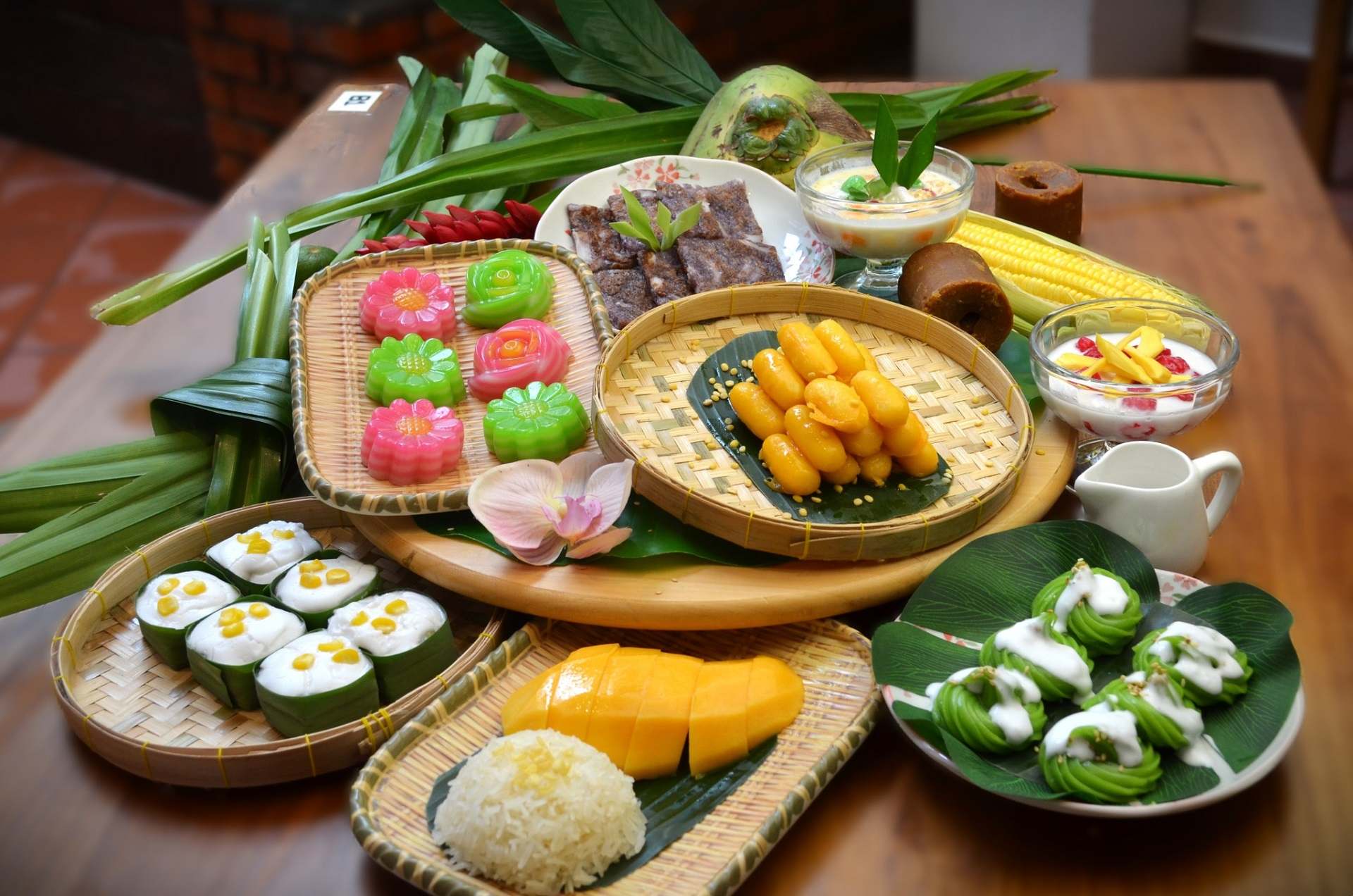
As we begin to notice these desserts more closely, the colors come first. Soft shades of green, gold, and amber catch the eye, while the gentle scent of coconut and pandan lingers in the air. Freshly made sweets release a quiet warmth, inviting and comforting. In moments like these, we realize that Thai desserts offer a sense of familiarity, even to those tasting them for the first time.
Over time, we come to see that Thai desserts are more than simple sweets. They reflect care, tradition, and the joy of sharing. Many recipes have been passed down through generations and are still prepared with patience and skill. Today, guests can enjoy them not only in markets and festivals but also in private settings such as villa stays, where private chefs prepare foods learned at home and shaped by family traditions. Through these experiences, we connect more deeply with the culture, one sweet bite at a time.
A Culture Built on Balance and Beauty
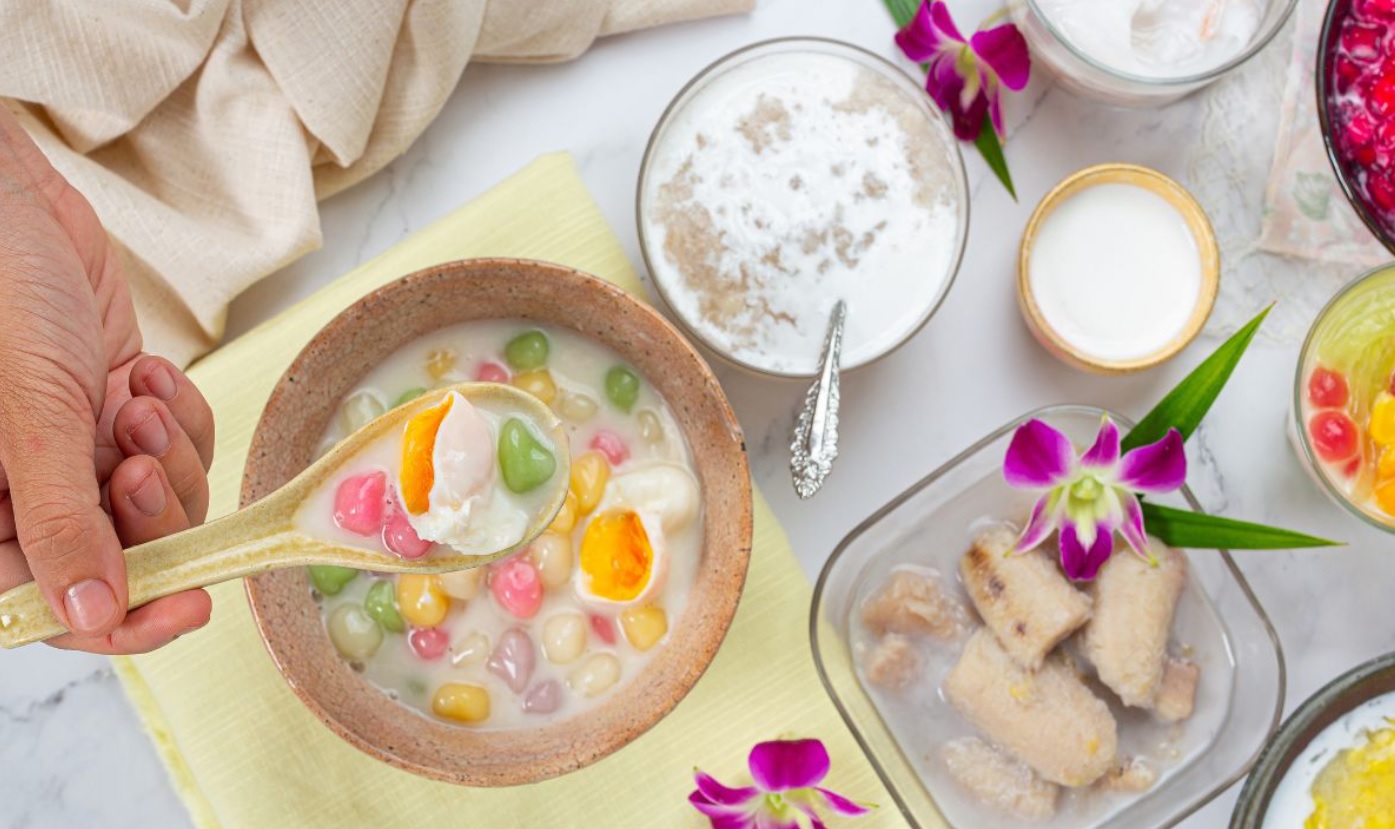
In Thai cooking, balance is valued above all else. Sweetness never stands alone. It softens under a pinch of salt, deepens with smoke or fragrance, or finds contrast in texture. Desserts follow the same philosophy: coconut milk adds richness, while pandan elevates it with a green, grassy aroma. Palm sugar adds depth rather than sharp sweetness. Sticky rice offers heft, while mung beans, sesame seeds, bananas, and taro introduce variety and surprise.
These ingredients may be similar in different regions, but the results rarely feel repetitive. Presentation matters, and the desserts often arrive symmetrical and tidy, shaped with care and naturally colored. Patience shows in the process, from slow steaming to careful stirring and waiting for textures to set just right. There’s a long thread of royal and temple influence here, though it doesn’t feel distant or academic. Techniques refined in palace kitchens eventually spread beyond the palace, adapted by many who made them practical and portable.
You don’t really learn about Thai desserts from books alone. You learn them while standing in night markets, sitting on low stools, or being handed a warm parcel wrapped in leaves at a family gathering.
Stories Told Through Sweet Traditions
Some of the most memorable Thai desserts arrive quietly from the steamer. Khanom kluay is one of them. This simple banana cake is folded in banana leaves, which do more than hold it together. As it cooks, the leaves add a gentle scent and make it easy to carry and share. When opened, soft steam rises with the smell of ripe banana and coconut. The texture is tender and slightly chewy, sweet but never too rich. It reflects everyday Thai life, where food is made to be shared and enjoyed without fuss.
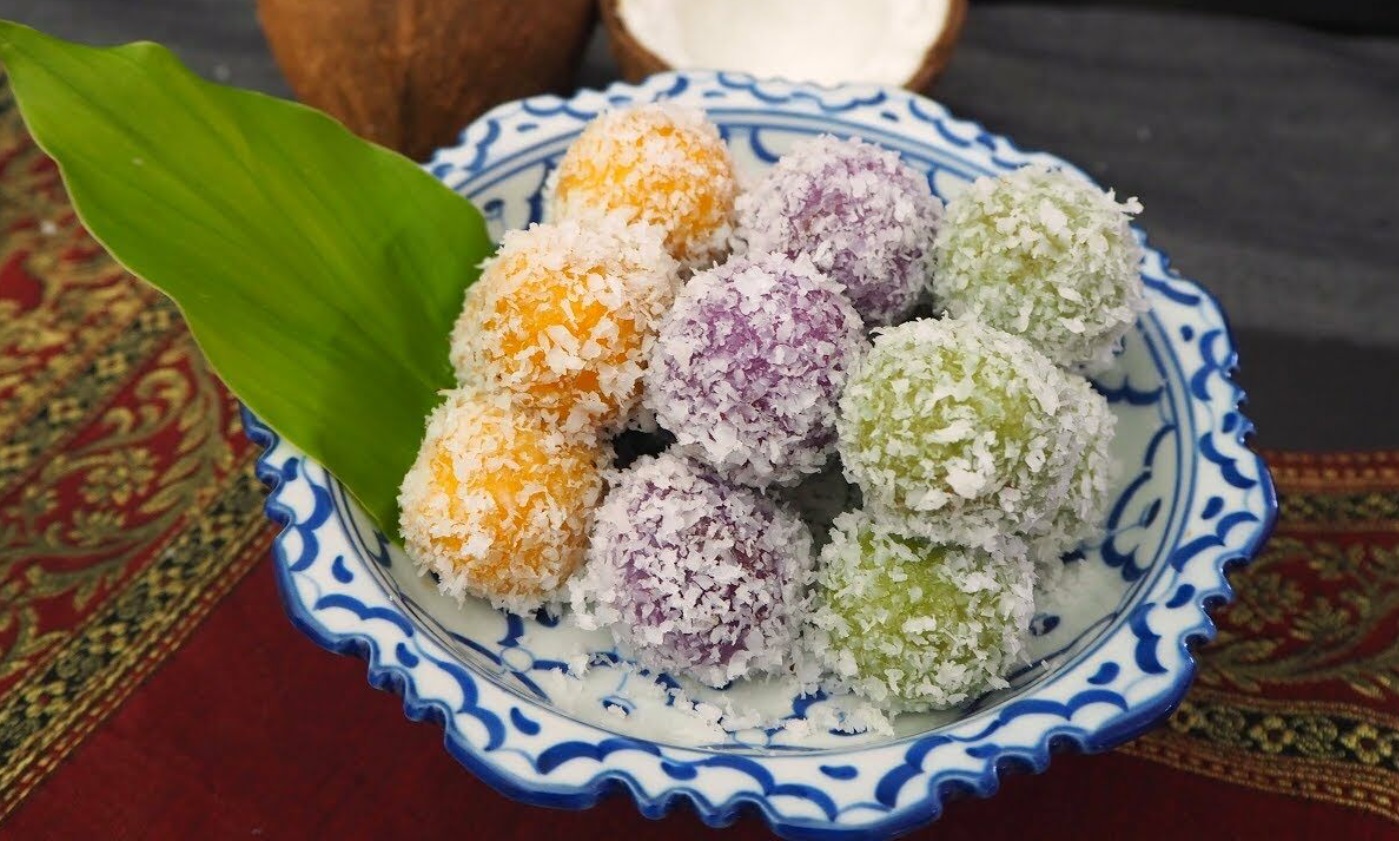
Other sweets carry a more ceremonial presence. Thong yod, Foi thong, and Thong yip glow in shades of gold. Their techniques were influenced by Portuguese methods centuries ago and later refined in royal kitchens. Over time, they became symbols of good fortune and prosperity. Today, they are still chosen for weddings and important celebrations, valued not only for their sweetness but for the blessings they represent. To taste them is to take part in a tradition that has been carried forward through generations.
Street favorites also hold strong meaning in daily life. Mango sticky rice pairs ripe mango with sticky rice soaked in coconut cream, offering comfort in the heat of the day. Tub tim grob brings a gentle crunch of water chestnuts beneath cool coconut milk, while Lod chong combines soft pandan noodles with syrup and ice. Together, these desserts show how Thai sweets balance texture and flavor. Chewy meets creamy, crisp meets soft. Each bite carries both the rhythm of daily life and the deeper story of culture and care that shapes Thai cuisine.
How Sweet Traditions Continue to Evolve
These desserts were never meant to stay frozen in time. They moved gently through history, shaped by the hands that prepared them. Techniques once refined in royal kitchens slowly traveled outward, carried by cooks who returned home and recreated what they had learned using familiar tools and local ingredients. Recipes shifted as they passed from one household to another. Families adjusted sweetness depending on taste, season, or what was available that day. In this way, tradition remained alive not by staying unchanged, but by growing alongside the people who cherished it.
Festivals and merit making ceremonies helped protect certain sweets from fading away. Desserts prepared for temple offerings, weddings, and important milestones carried meanings that went beyond flavor. They symbolized gratitude, prosperity, and goodwill. Because of this, each generation had a reason to continue making them. Many recipes were never formally written down. They were learned in kitchens filled with conversation, measured by instinct rather than cups and spoons, remembered through repetition and shared experience.
What keeps Thai desserts present today is not simple nostalgia. It is their role in daily life. They appear at celebrations and quiet afternoons alike. Modern kitchens may use new equipment, but the heart of the recipes remains the same. The past stays alive because these sweets are still cooked, shared, and enjoyed together.
A Taste That Stays With You
Long after the trip in Phuket ends, Thai desserts linger not just in flavor but in memory. They carry stories of land and climate, of patience and care, of balance learned over generations. Understanding Thailand often begins not with spice, but with sweetness, the kind that invites you to pause, to listen, and to taste again.
If you find yourself there, taste them, learn their meanings, and experience them slowly. With a private chef during a stay at any of our Phuket villa vacation rentals, the kitchen feels less like a workspace and more like a bridge between past and present. Because sometimes, the simplest way to appreciate a culture is through the quiet pleasure of a dessert shared at the right moment.
–
Featured Image by Siam Niramit Phuket